Multi-Layer & Booklet Labels: Put More Information on the Same Label
Sometimes one label face is not enough — pharma leaflets, chemical GHS symbols, multi-language copy and promo codes all fight for the same small space. A multi-layer (booklet) label adds hidden pages that peel open. Here is how we build them on the production floor, and the one defect we watch for.
1. What a Multi-Layer Label Actually Is
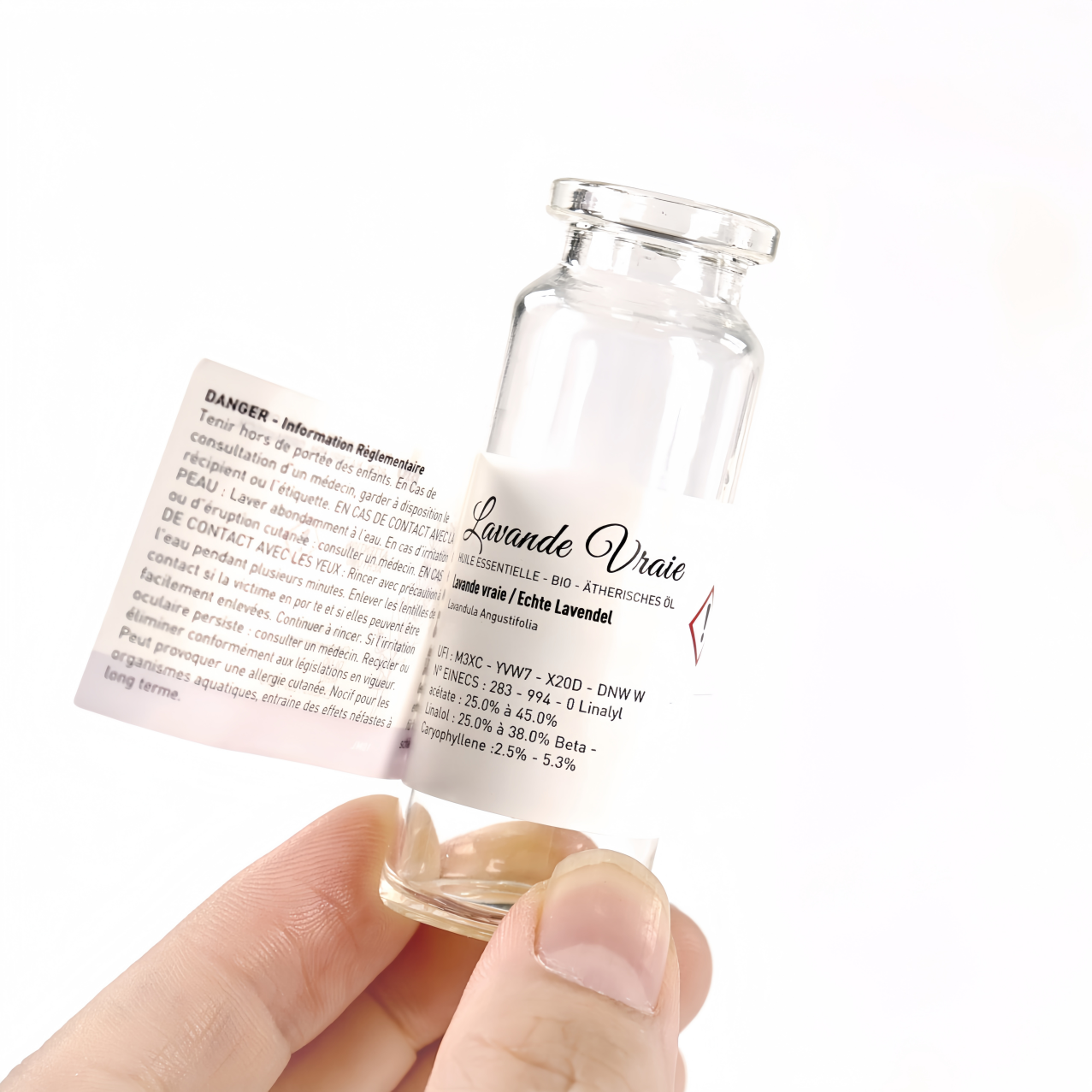
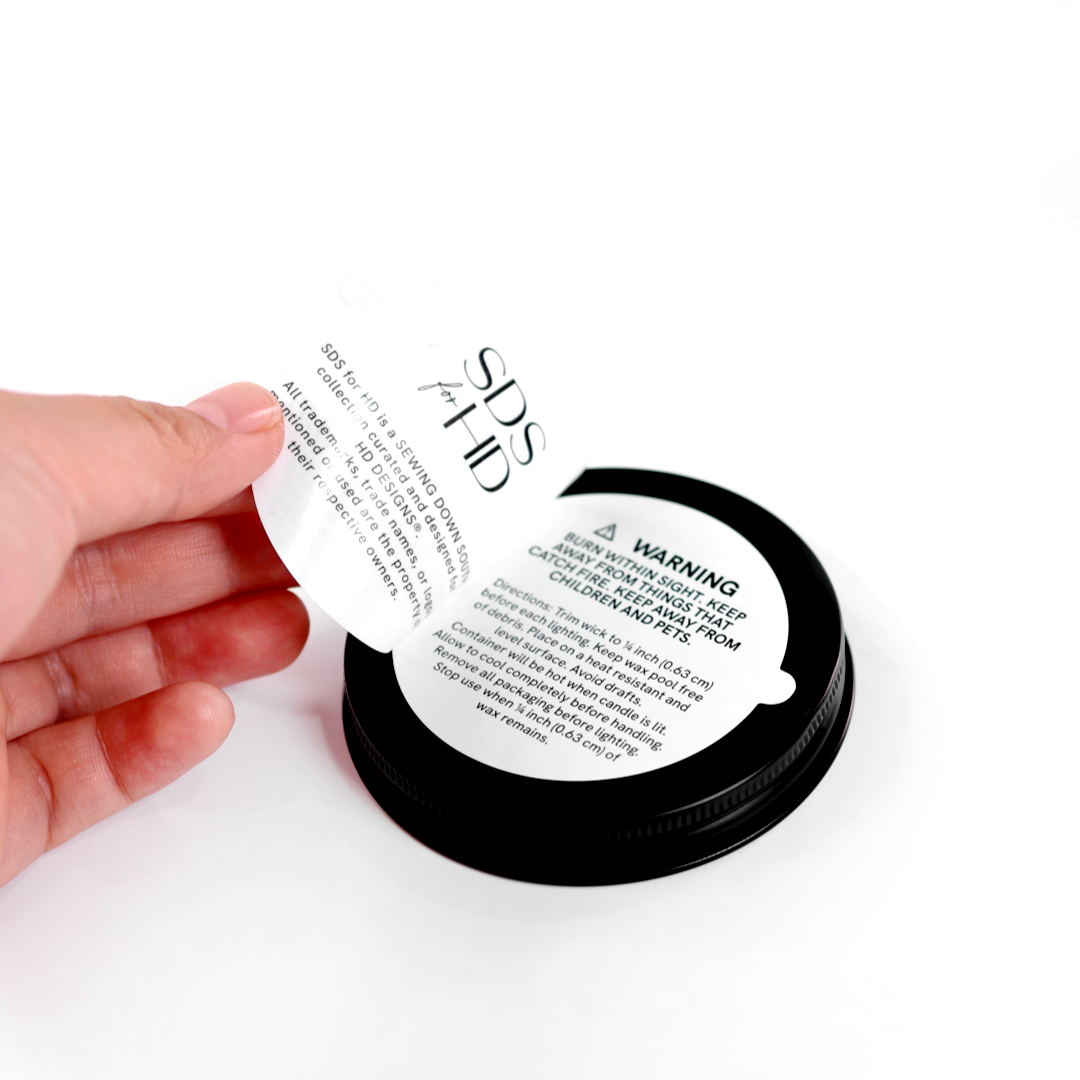
A multi-layer label is two or more printed layers laminated into one unit. The top layer carries the main display — brand, product name, key visuals. Underneath sits one or more extra layers holding the fine print: ingredients, instructions, multiple languages, barcodes or a promo code. The end user peels the top layer open to read what is hidden underneath.
For products that need to show a lot of content, this is the cleanest fix: you keep the shelf appearance of a normal label while tucking the rest of the information behind it. We build these by multi-station machine lamination, pairing a large top label with a smaller underlying label (大小标配对) so the two register as one piece.
2. How We Manufacture It
Two things decide whether a booklet label works or not.
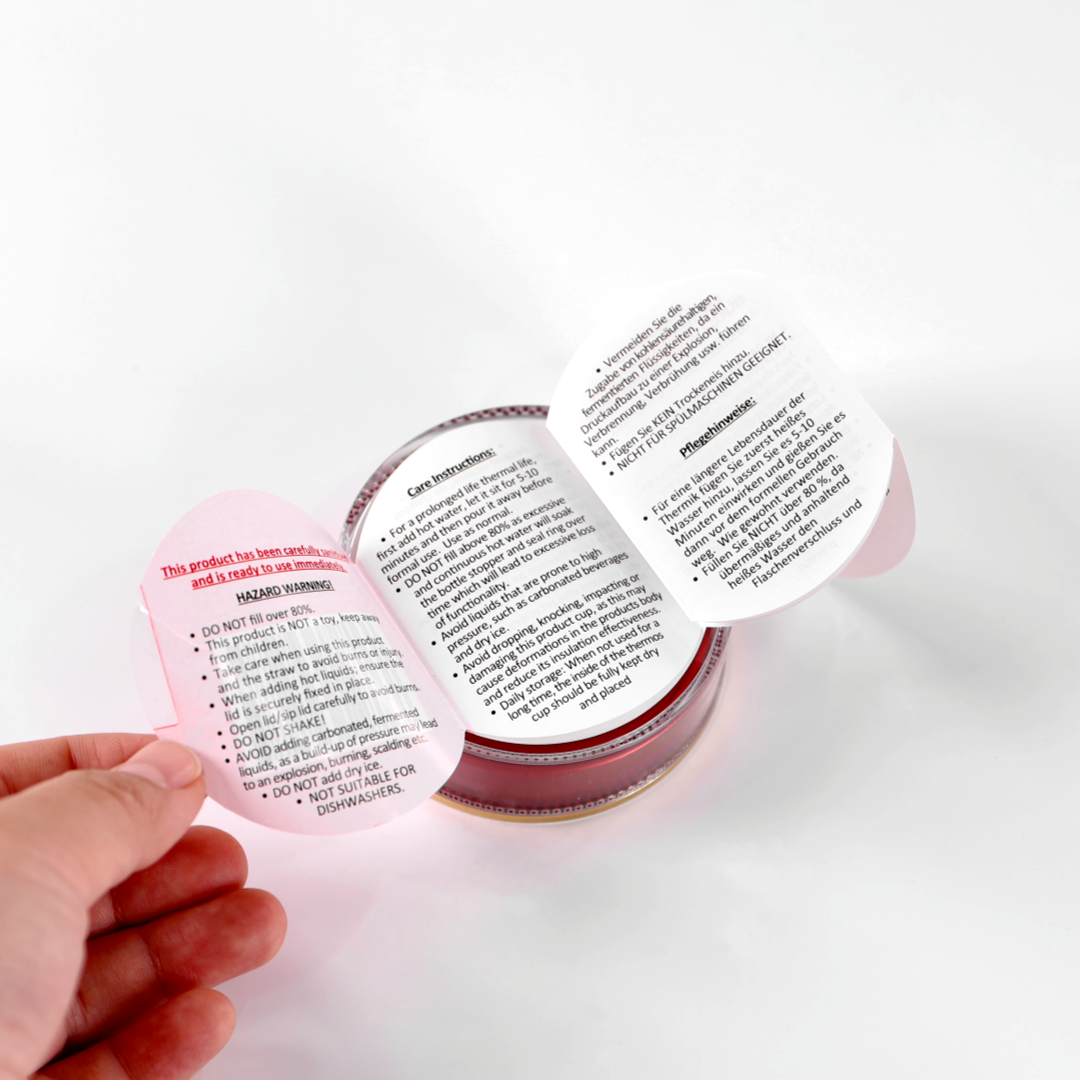
- Registration must be precise. The upper and lower printed layers have to align accurately (上下层内容需对位精准). If they drift, the hidden layer shows through or the top no longer covers it cleanly.
- The release layer is partial. A release (离型) coating is applied only in the area that needs to peel, so the top opens easily where intended while the rest of the construction stays bonded (中间剥离层需做局部离型处理便于撕开).
The face stock can be paper or film (BOPP / PET). Both work in a multi-layer build, but we match the adhesive and release coating to the substrate and to how the label will be applied — by hand or on an automatic line.
3. Where Multi-Layer Labels Earn Their Keep
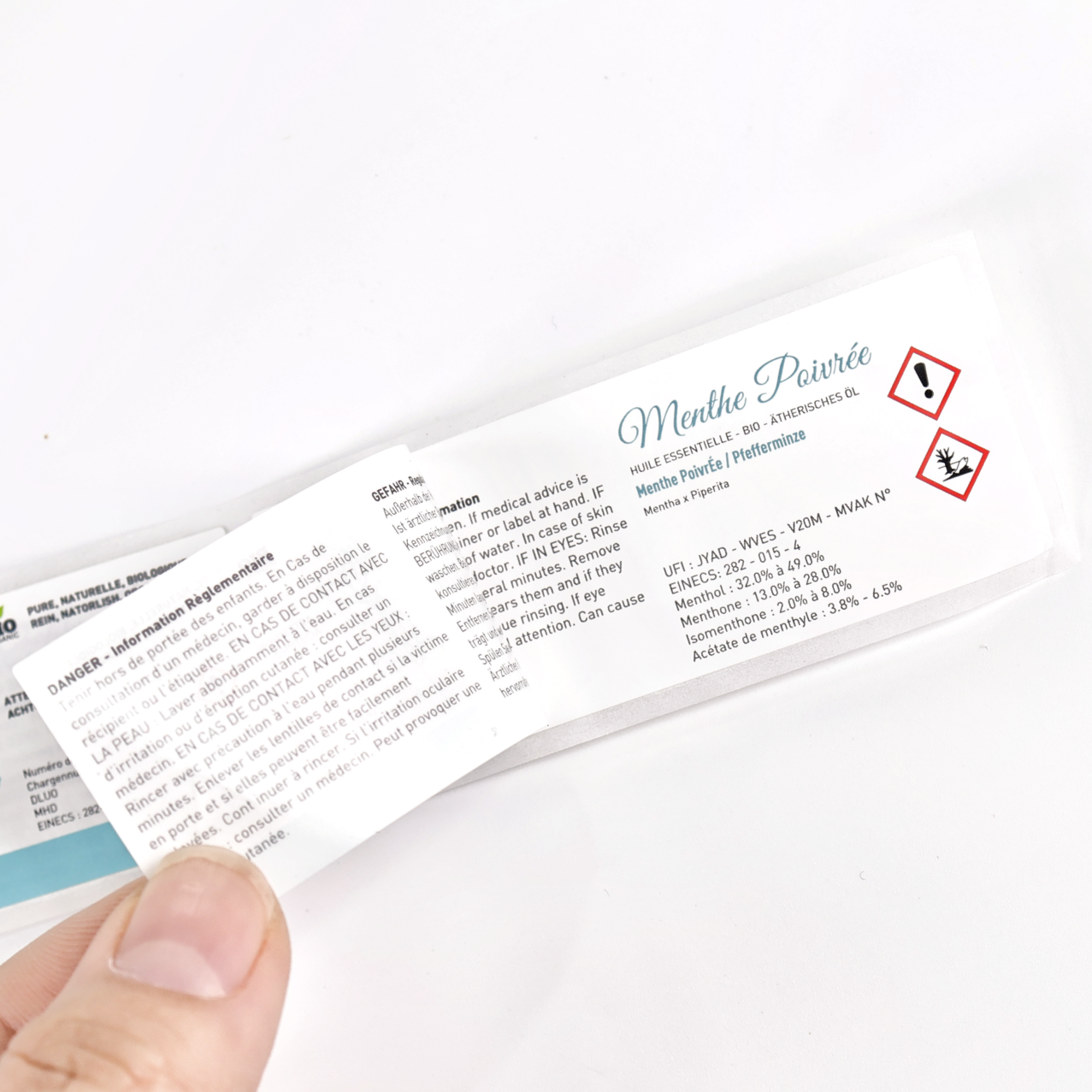
Chemical / GHS
Multi-Language
Promo Codes / QR
Warranty & Serialization
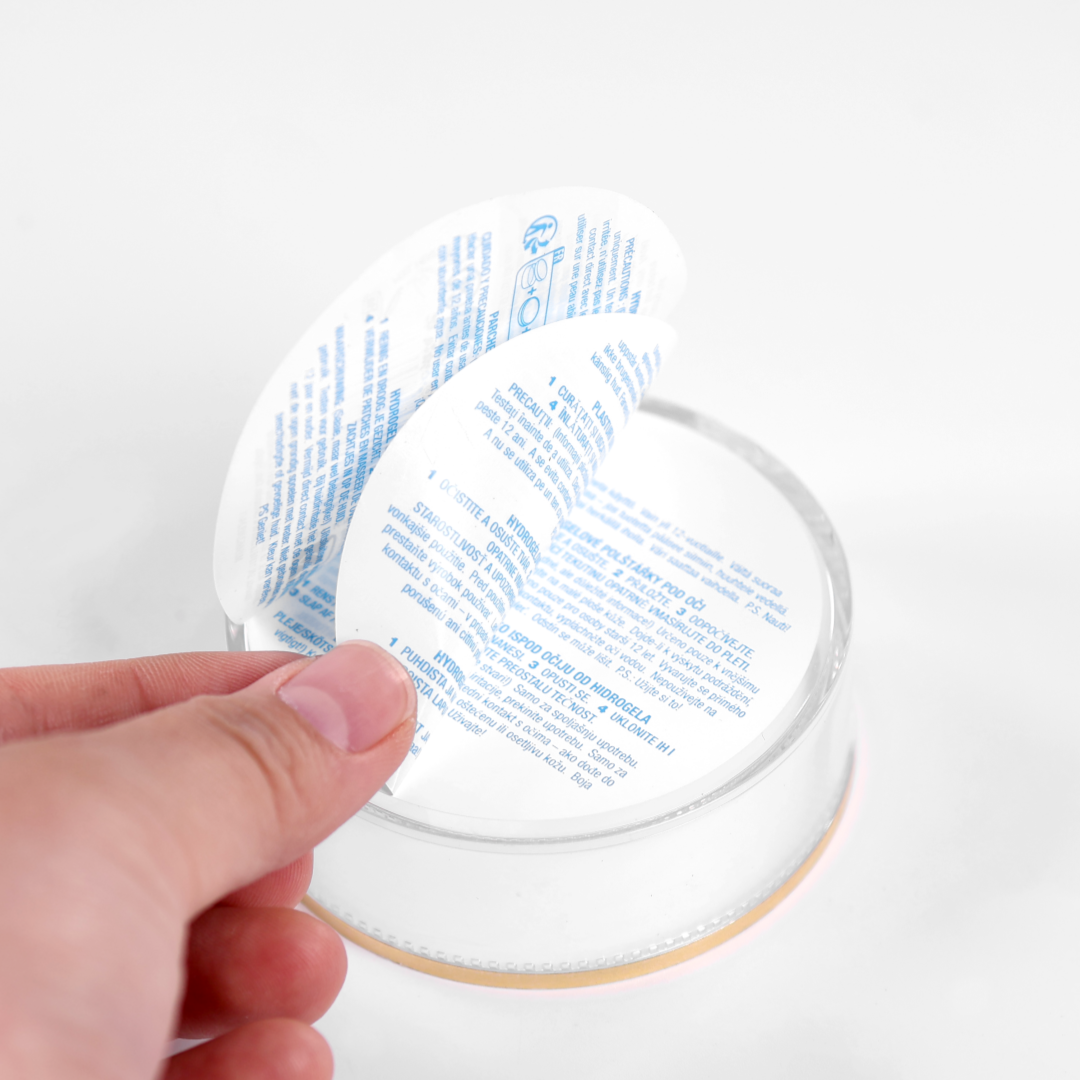
Common uses we run: a supplement bottle that needs a full leaflet without a separate insert; a chemical container carrying GHS symbols plus the full safety summary; one SKU sold across markets that must show several languages; and promotional packs where a code or QR is hidden under the top layer until peeled. For buyers, the win is fewer components — the label does the job of a booklet and a sticker at once.
4. The Defect We Control For
Registration shift (上下层偏位). If the upper and lower layers move out of alignment during printing or lamination, the lower content gets misregistered — it can appear blurred or go missing where the top layer overlaps (印刷上下层偏位,下层内容糊版或缺失). We hold this in check with tight registration tolerances and a proofing check before bulk production.
Specs at a Glance
| Item | Detail |
|---|---|
| Construction | 2–3 printed layers, machine-laminated (大小标配对) |
| Face stock | Paper or film (BOPP / PET) |
| Release | Partial release coating for clean peel-open |
| Critical control | Layer-to-layer registration |
| Application | Sheets or rolls, wound to applicator spec |
Common Questions
How many extra layers can you add?
Most runs are two layers (top + one underlying). Three layers are possible for heavier information loads; we advise on the right count once we see the content and the container.
Can the top layer be a clear or metallic film?
Yes. The top can be clear PET for a no-label look, or a metallized film, with the extra layer underneath. We match the release and adhesive to the film so the peel still works.
Does it run on automatic applicators?
It does. We wind the finished rolls to your applicator pitch, core size and unwind direction, the same as a standard label.
Can we combine it with foil or a serial code?
Frequently. A booklet label often carries hot foil on the top face and a variable serial or QR code on the hidden layer for traceability.